

The rapid growth of technology has brought a new era where devices are no longer isolated but connected and intelligent. This transformation is largely driven by the Internet of Things (IoT) and automation. Together, they are reshaping how we live, work, and interact with the world. By connecting devices and enabling them to communicate and act automatically, IoT and automation are building a smarter and more efficient future.
The Internet of Things refers to a network of physical devices embedded with sensors, software, and communication technologies that allow them to collect and exchange data. These devices can range from simple home appliances to complex industrial machines. When combined with automation, these systems can not only gather information but also make decisions and perform actions without human intervention.
At the core of IoT and automation are electronic components such as sensors, microcontrollers, and communication modules. Sensors collect data from the environment, such as temperature, humidity, motion, or light. This data is then processed by microcontrollers or embedded systems, which act as the brain of the device. Based on programmed logic or real-time analysis, the system can trigger actions such as turning on a device, sending alerts, or adjusting system settings automatically.
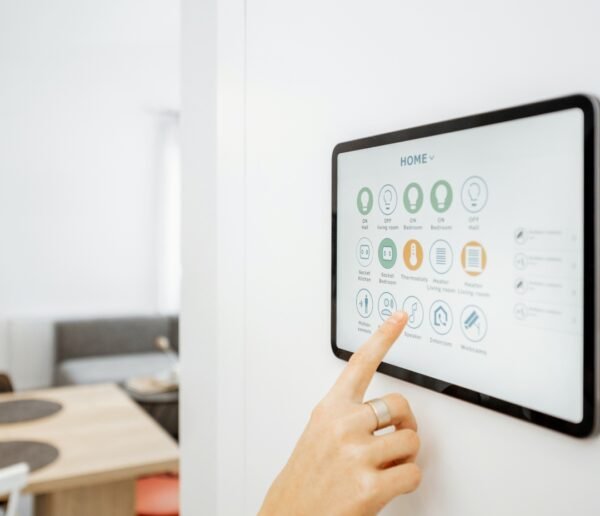
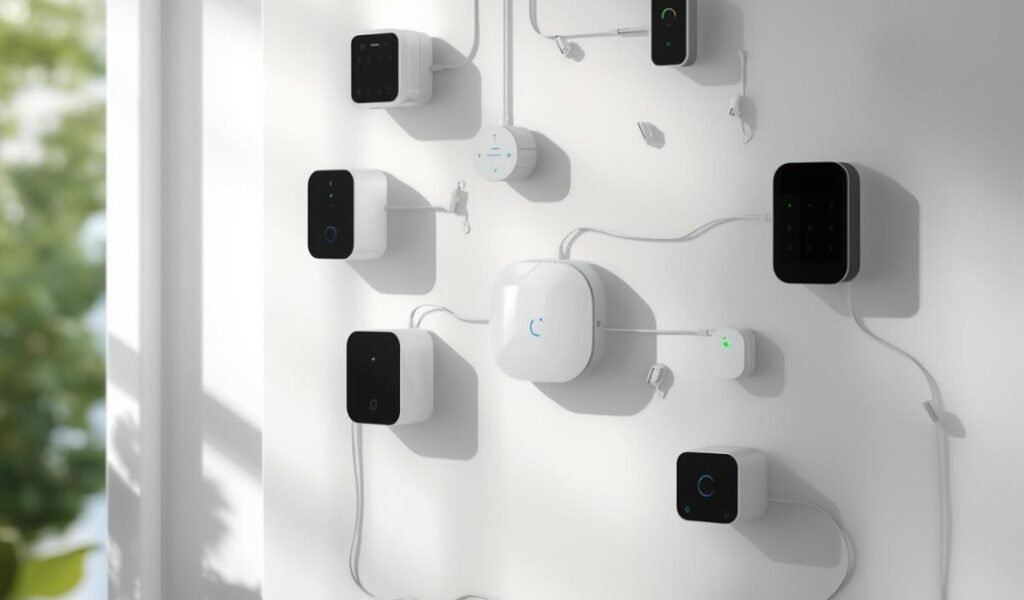
One of the most common applications of IoT and automation is in smart homes. Devices like smart lights, thermostats, security cameras, and voice assistants are interconnected to provide convenience, security, and energy efficiency. For example, a smart thermostat can learn a user’s routine and adjust the temperature accordingly, while smart lighting systems can turn off automatically when no one is in the room. These systems can be controlled remotely through smartphones, making everyday life more comfortable and efficient.
In industry, IoT and automation play a crucial role in improving productivity and reducing costs. Industrial IoT (IIoT) systems connect machines, sensors, and control units to monitor and optimize processes in real time. For instance, factories can use IoT sensors to detect machine faults before they lead to breakdowns, enabling predictive maintenance. This reduces downtime and increases efficiency.
Agriculture is another field benefiting from IoT and automation. Smart farming techniques use sensors to monitor soil moisture, weather conditions, and crop health. Automated irrigation systems can then supply water only when needed, conserving resources and improving crop yield. This approach helps farmers make data-driven decisions and increases overall productivity.
Healthcare is also being transformed by IoT. Wearable devices can track vital signs such as heart rate, blood pressure, and activity levels. This data can be shared with doctors in real time, allowing for continuous monitoring and early detection of potential health issues. Automated systems can also assist in managing hospital equipment and patient care more efficiently.
Despite its many advantages, IoT and automation come with challenges. Security and privacy are major concerns, as connected devices can be vulnerable to cyberattacks if not properly protected. Additionally, managing large amounts of data and ensuring compatibility between different devices can be complex. However, ongoing advancements in technology are addressing these issues, making systems more secure and reliable.
In conclusion, IoT and automation are revolutionizing the way devices interact and operate. By connecting systems and enabling intelligent decision-making, they are creating smarter homes, more efficient industries, and better healthcare solutions. As these technologies continue to evolve, they will play a key role in shaping a future where everything is connected, automated, and optimized for human benefit.