

In recent years, the concept of smart homes has moved from science fiction to everyday reality. Smart home automation refers to the use of electronic devices and systems to control and monitor household functions automatically. From turning on lights with a voice command to adjusting room temperature based on your preferences, electronics are transforming traditional homes into intelligent living spaces.
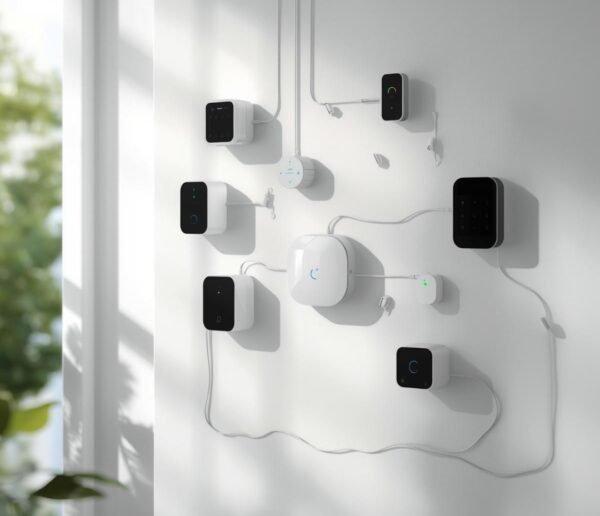
At the heart of smart home automation are electronic components such as sensors, microcontrollers, and communication modules. Sensors detect changes in the environment—such as motion, temperature, light, or humidity—and send this data to a central controller. Microcontrollers or smart hubs then process this information and make decisions based on pre-programmed instructions. For example, a motion sensor can detect when someone enters a room and automatically turn on the lights, saving both time and energy.
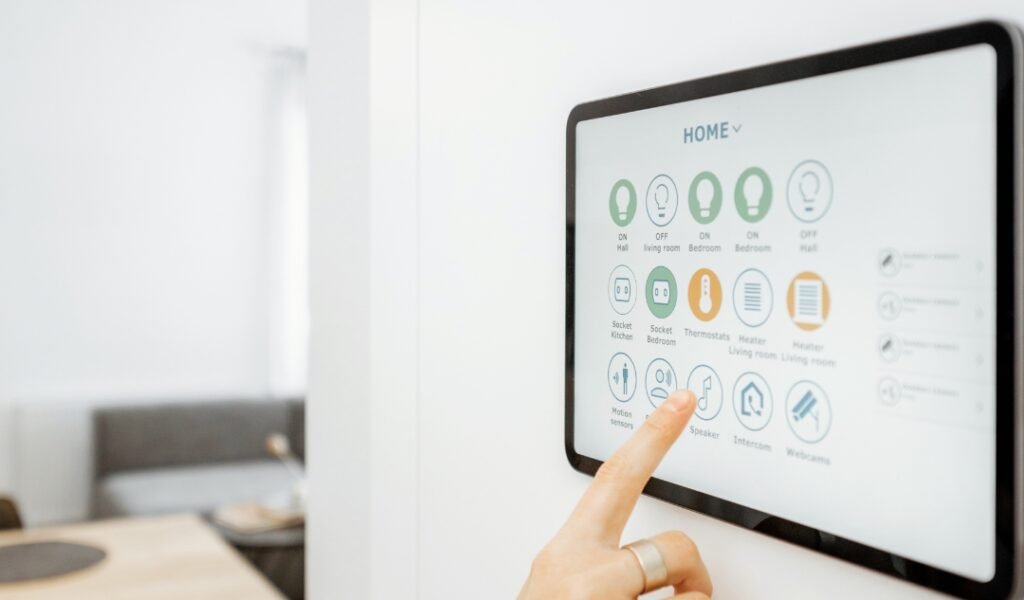
One of the most popular aspects of smart homes is convenience. Devices like smart lights, smart plugs, and voice assistants allow users to control their home using a smartphone or simple voice commands. Whether you are at home or away, you can manage your devices remotely. This means you can turn off appliances, lock doors, or check security cameras from anywhere in the world. Such control adds a new level of comfort and ease to everyday life.
Energy efficiency is another major advantage of smart home automation. Smart thermostats can learn your daily routine and adjust heating or cooling accordingly, reducing unnecessary energy usage. Automated lighting systems can switch off when no one is in the room, helping to lower electricity bills. These small improvements can lead to significant savings over time and contribute to a more sustainable lifestyle.
Security is also greatly enhanced through smart electronics. Smart cameras, door sensors, and alarm systems provide real-time monitoring and instant alerts. If any unusual activity is detected, the system can notify homeowners immediately through their smartphones. Some systems even allow users to view live video feeds or communicate with visitors remotely. This level of security gives homeowners greater peace of mind.
Another important feature of smart home systems is integration. Different devices can work together to create a seamless experience. For example, a “good night” command could turn off all lights, lock doors, and adjust the thermostat at once. This interconnected system is made possible through technologies like Wi-Fi, Bluetooth, and IoT platforms, which allow devices to communicate with each other efficiently.
Despite its many benefits, smart home automation also comes with challenges. Initial setup costs can be high, and compatibility between different devices may sometimes be an issue. There are also concerns about data privacy and cybersecurity, as connected devices can be vulnerable to hacking if not properly secured. However, as technology continues to improve, these challenges are gradually being addressed.
In conclusion, smart home automation is revolutionizing the way we live by combining electronics with intelligent systems. It offers greater convenience, improved energy efficiency, and enhanced security. As more advanced and affordable solutions become available, smart homes are expected to become the standard rather than the exception. Embracing this technology not only makes life easier but also prepares us for a more connected and automated future.