


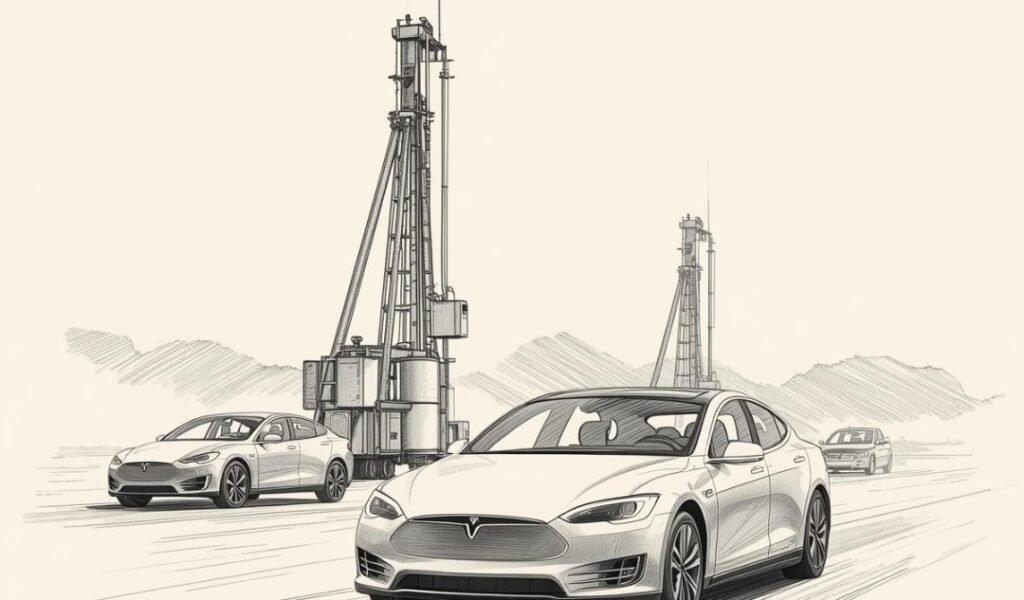
Energy Security, Supply Chains, and the Future of Transportation
Global conflicts have always played a significant role in shaping energy markets, particularly oil and petroleum. Because a large portion of the world’s oil supply comes from politically sensitive regions, wars and geopolitical tensions can quickly disrupt production and transportation. These disruptions often lead to rising fuel prices, supply shortages, and economic uncertainty. In recent years, such events have renewed interest in alternative transportation systems, especially electric vehicles (EVs), as countries seek more stable and independent energy solutions.
Oil-based vehicles depend entirely on a continuous and predictable supply of fuel. When conflicts occur in major oil-producing regions or along key shipping routes such as the Strait of Hormuz, global oil distribution is affected. Even the threat of conflict can drive up prices due to market speculation. As fuel costs rise, transportation becomes more expensive, affecting not only individual drivers but also industries like logistics, aviation, and public transport. This creates a ripple effect across economies, increasing the cost of goods and services worldwide.
In contrast, electric vehicles operate on electricity, which can be generated from a variety of sources. This flexibility reduces reliance on imported oil and offers countries an opportunity to strengthen their energy security. Nations investing in renewable energy sources such as solar, wind, and hydroelectric power can support EV adoption while reducing vulnerability to global conflicts. As a result, EVs are increasingly seen not just as an environmental solution, but also as a strategic response to geopolitical instability.
However, the transition to electric vehicles is not without its own challenges. EV production depends on critical raw materials such as lithium, cobalt, and nickel, which are concentrated in specific regions of the world. Political instability or conflict in these regions can disrupt supply chains, much like oil disruptions. Additionally, the manufacturing and recycling of batteries remain complex and costly processes that require further technological advancement.
Infrastructure is another key factor. Oil-based vehicles benefit from a well-established global network of fuel stations, while EV charging infrastructure is still developing, particularly in developing countries. Without widespread and reliable charging networks, large-scale EV adoption remains difficult. Furthermore, the initial cost of electric vehicles is still higher than traditional vehicles in many markets, making them less accessible to a significant portion of the population.
Despite these challenges, global trends clearly indicate a shift toward electrification. Governments are introducing policies, incentives, and regulations to encourage EV adoption, while automakers are investing heavily in electric technologies. Advances in battery efficiency, charging speed, and energy storage are gradually addressing existing limitations. Over time, these improvements are expected to make EVs more affordable and practical for everyday use.
Another important aspect is the role of hybrid and transitional technologies. Hybrid vehicles, which combine internal combustion engines with electric systems, offer a middle ground by reducing fuel consumption while maintaining flexibility. Similarly, research into alternative fuels such as hydrogen may further diversify the future of transportation.
In conclusion, global conflicts are highlighting the vulnerabilities of oil-dependent transportation systems and accelerating the search for alternatives. While electric vehicles are not yet capable of completely replacing oil-based vehicles, they represent a critical step toward a more resilient and sustainable future. The transition will be gradual, influenced by technological progress, economic factors, and geopolitical developments. As the world continues to adapt to changing energy dynamics, electric vehicles are likely to play an increasingly central role in shaping the future of mobility.